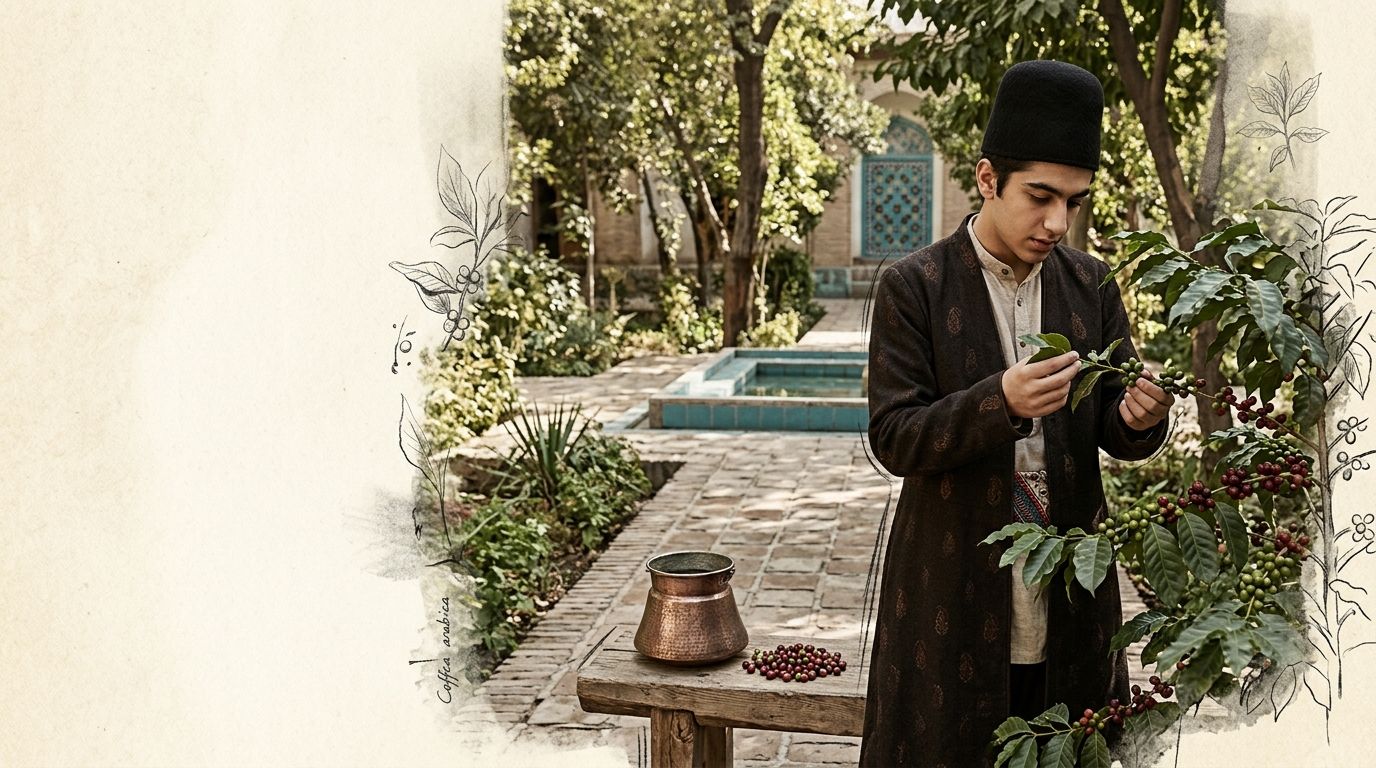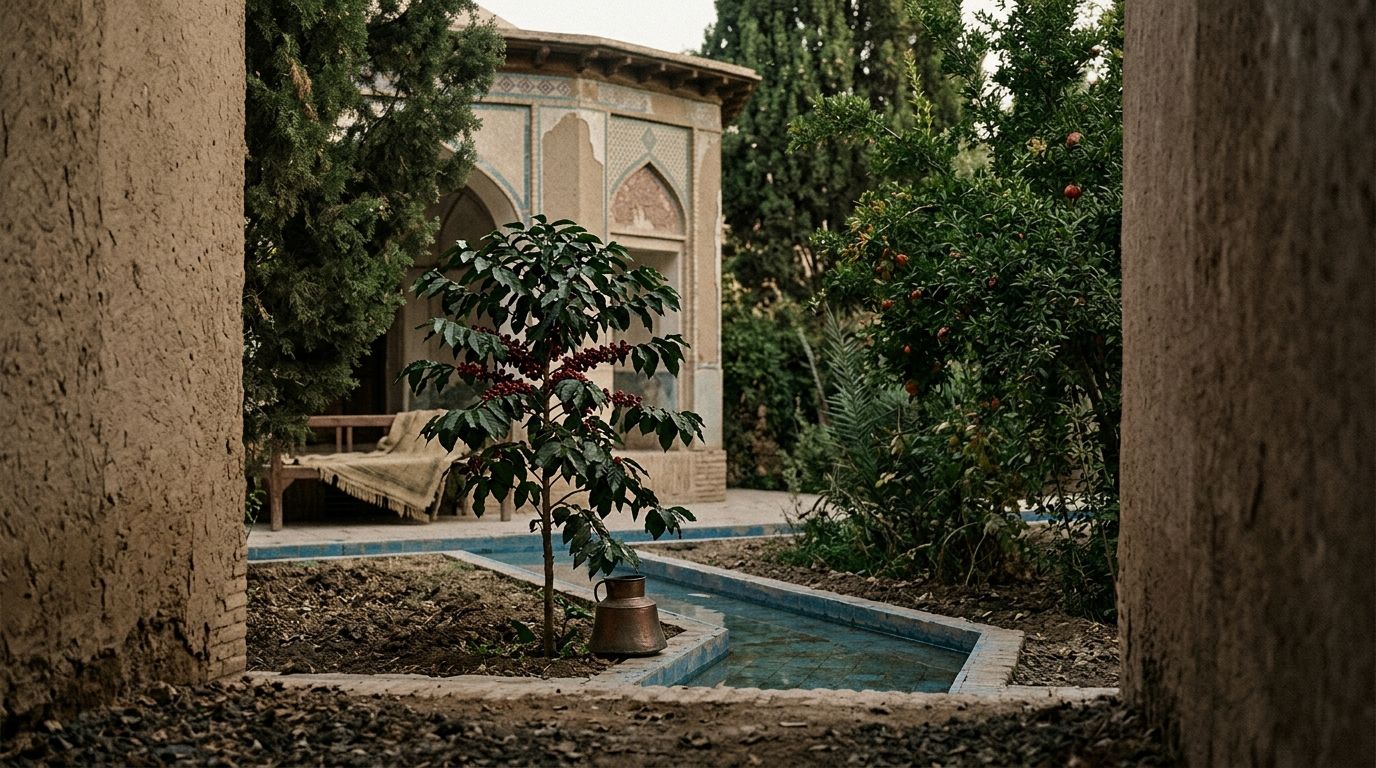
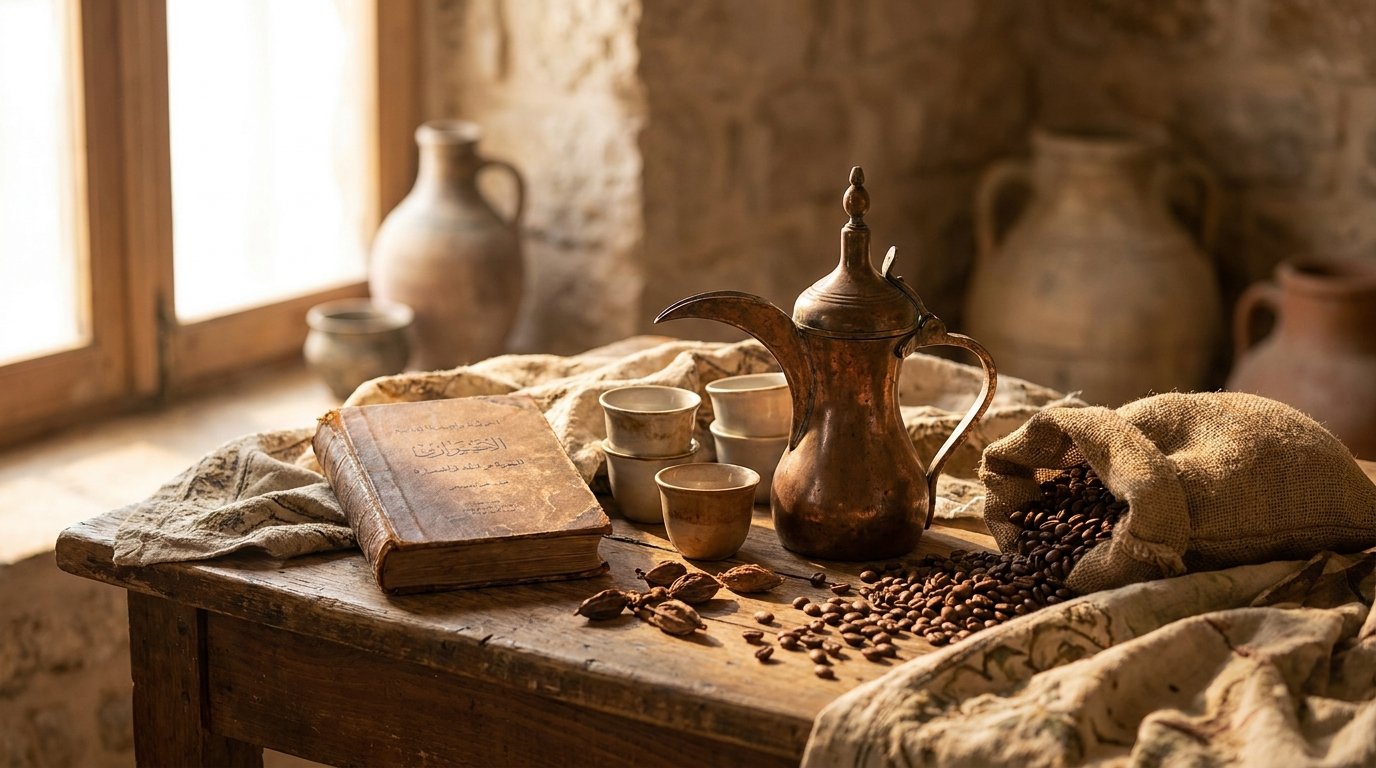








The pursuit of the perfect cup has driven coffee prices to astonishing heights, creating a luxury market where a single pound of beans can cost more than a high-end espresso machine. But what exactly makes these coffees so expensive? Is it unparalleled flavor, brilliant marketing, or the sheer difficulty of production?
The answers reveal a fascinating intersection of agriculture, economics, and human curiosity.
The Geisha Phenomenon
At the pinnacle of the specialty coffee auction world sits the Geisha (or Gesha) varietal, particularly those grown at high altitudes in Panama. Hacienda La Esmeralda brought this varietal to international fame in 2004, stunning judges with its intensely floral, tea-like profile, featuring notes of jasmine and bergamot.
Since then, Panamanian Geisha has consistently broken auction records, with some lots selling for over $10,000 per pound. The price is driven by genuine sensory exceptionalism, incredibly low yields, and intense competition among global buyers who want to offer their customers a taste of the absolute best.
The Animal Processing Controversy
Outside the specialty auction circuit, the general public often associates expensive coffee with unusual animal processing methods—most famously, Kopi Luwak from Indonesia.
The premise relies on the Asian palm civet eating ripe coffee cherries, with the digestive enzymes supposedly altering the beans’ protein structure to create a smoother cup. While genuine, wild-foraged Kopi Luwak is extremely rare, the reality of the market is far darker. The high price tag has led to widespread animal abuse, with civets kept in battery cages and force-fed cherries.
Furthermore, specialty coffee professionals widely agree that the digestive process does not improve the coffee; rather, it often strips away the delicate acidity and complex flavors prized in modern specialty coffee.
Rarity and Micro-Lots
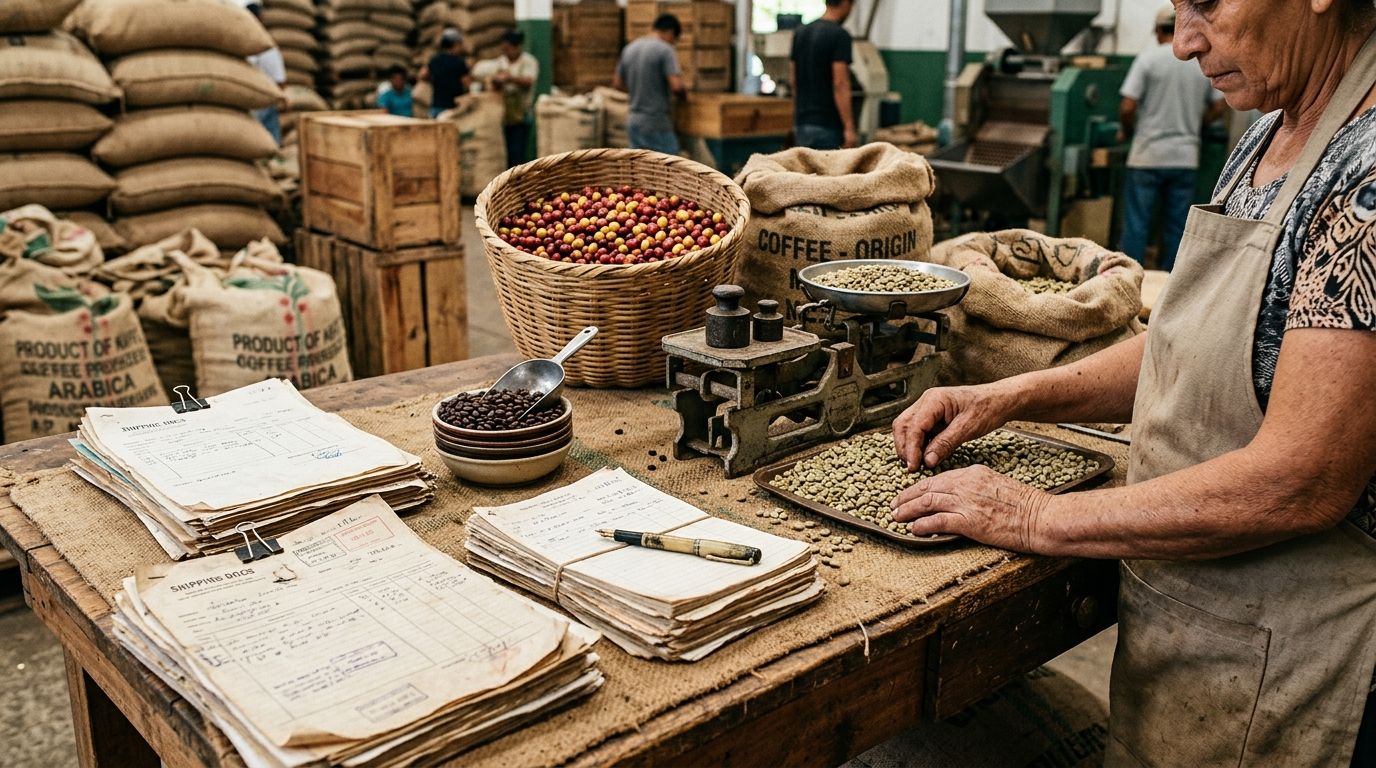
Beyond specific varietals and animal processes, extreme prices are often simply the result of extreme rarity. Micro-lots—small, highly controlled harvests from a specific section of a farm—allow producers to isolate the absolute best cherries.
When these micro-lots undergo experimental processing methods, such as controlled anaerobic fermentation or thermal shock, the resulting flavor profiles can be wildly unique. When only fifty pounds of a specific coffee exist in the world, the laws of supply and demand take over.
Ultimately, the most expensive coffees in the world reflect our relentless desire to push the boundaries of agriculture and sensory experience—whatever the cost.