



There is a strange gravity to coffee myths. Because coffee is a daily ritual, we tend to accept the folklore passed down by parents, baristas, and internet articles without question. Some of these myths sound so logical that even seasoned coffee professionals occasionally repeat them.
But what happens when we subject these believable claims to actual science? We investigate the most persistent coffee myths and separate the established evidence from the folklore.
Myth 1: Dark Roasts Have More Caffeine
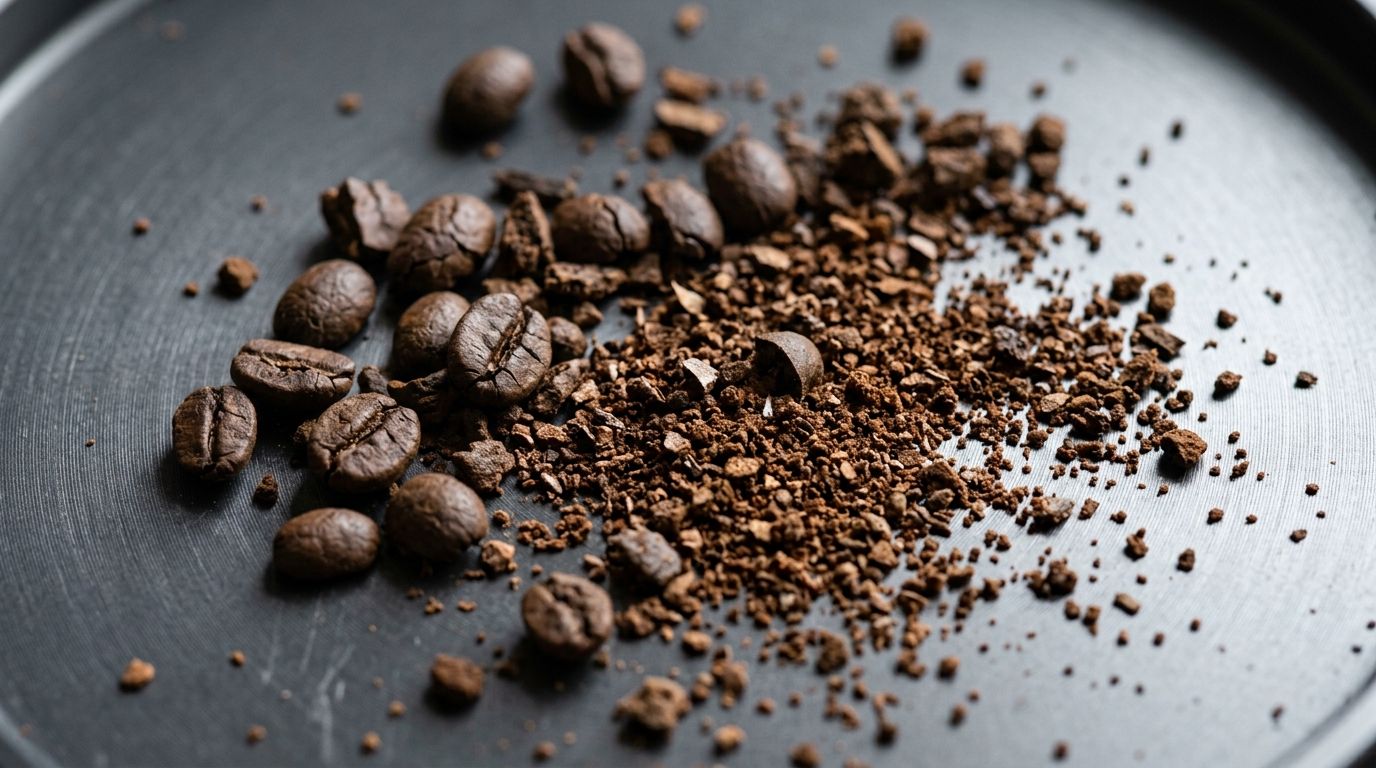
It makes intuitive sense: a darker, more intensely flavored bean must pack a stronger caffeine punch. In reality, the roasting process changes the bean’s cellular structure and flavor profile, but caffeine is incredibly stable at roasting temperatures.
If you measure by weight (e.g., 18 grams of coffee), light and dark roasts contain nearly identical amounts of caffeine. However, because beans lose mass during roasting, dark roast beans are less dense. If you measure by volume (e.g., two scoops), you are actually using more light roast beans than dark roast beans, meaning your light roast scoop will yield slightly more caffeine.
Myth 2: Coffee Dehydrates You
The idea that coffee is a diuretic that leaves you dehydrated is deeply entrenched in wellness culture. While caffeine itself has a mild diuretic effect, coffee is composed of roughly 98% water.
Scientific consensus, including a comprehensive study published in PLOS ONE, has demonstrated that moderate coffee consumption (up to 4 cups a day) provides hydrating qualities similar to water. The fluid you consume in the beverage more than offsets the mild diuretic effect of the caffeine.
Myth 3: Espresso Has the Most Caffeine
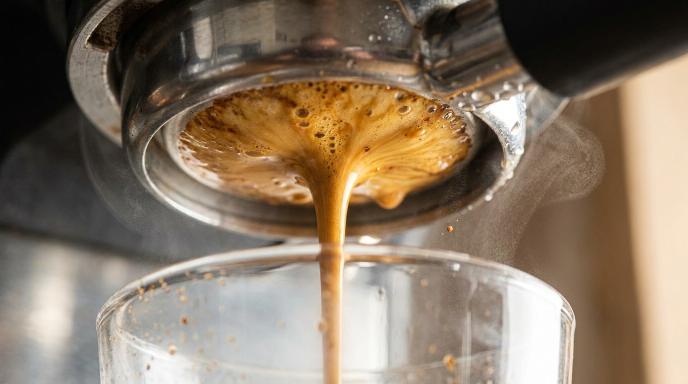
Espresso is intense, thick, and highly concentrated. Ounce for ounce, it does have more caffeine than drip coffee (about 40-50mg per ounce). However, a standard double espresso is only about two ounces, yielding 80-100mg of caffeine.
A standard 12-ounce mug of filter coffee, on the other hand, contains anywhere from 120mg to 180mg of caffeine. The sheer volume of filter coffee means your morning drip is giving you a significantly higher caffeine dose than a quick espresso.
The Nature of Coffee Folklore
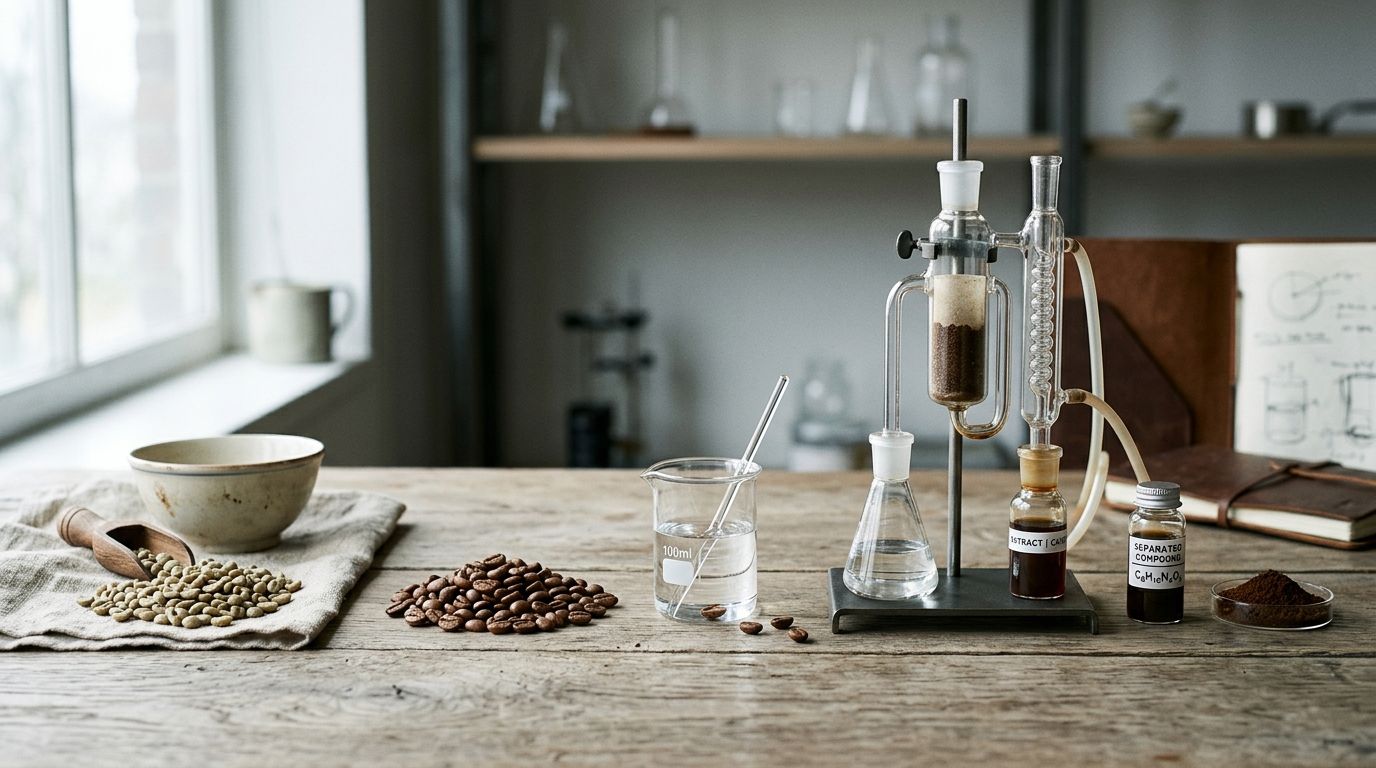
Understanding the truth doesn’t ruin the magic of coffee; it simply shifts our appreciation from myth to science. The next time someone tells you to drink a dark roast for an extra kick, you can smile, knowing the complex reality hiding inside the bean.