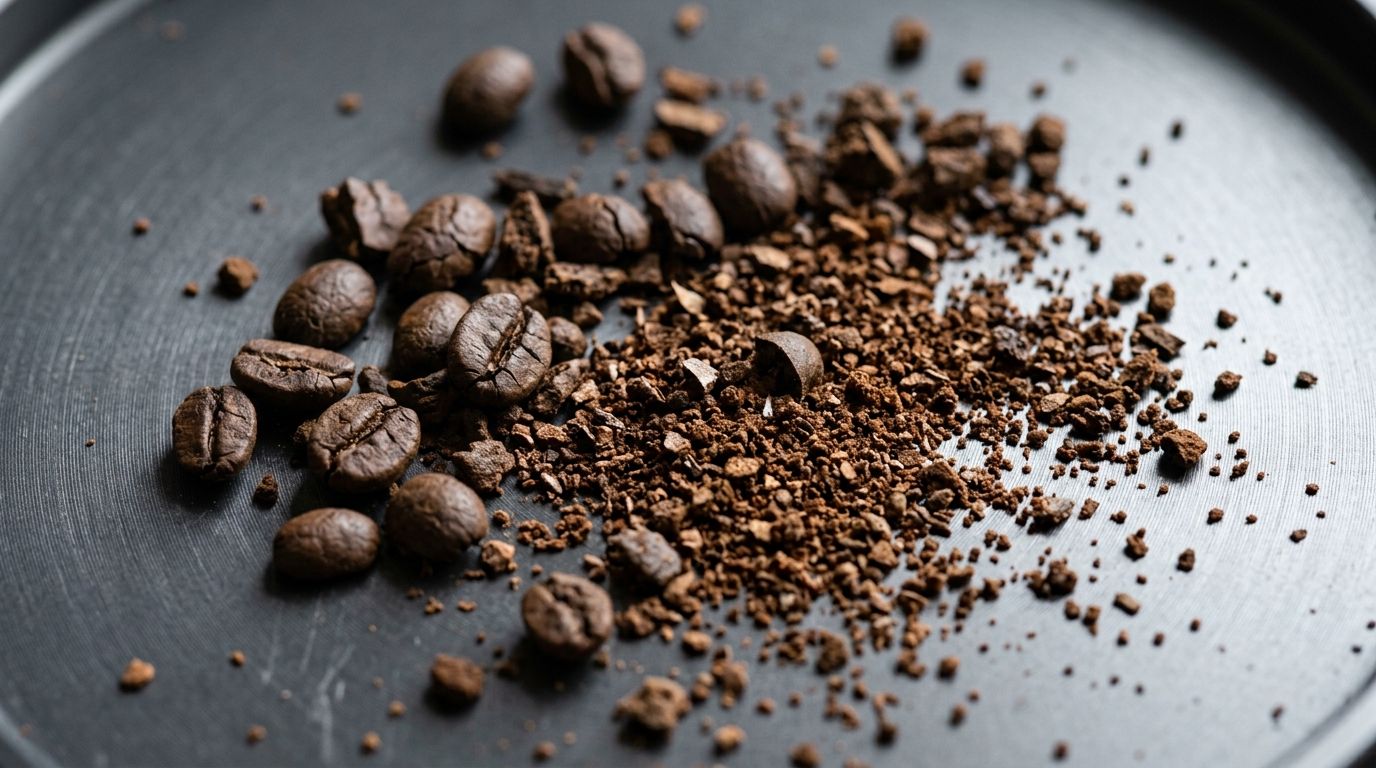








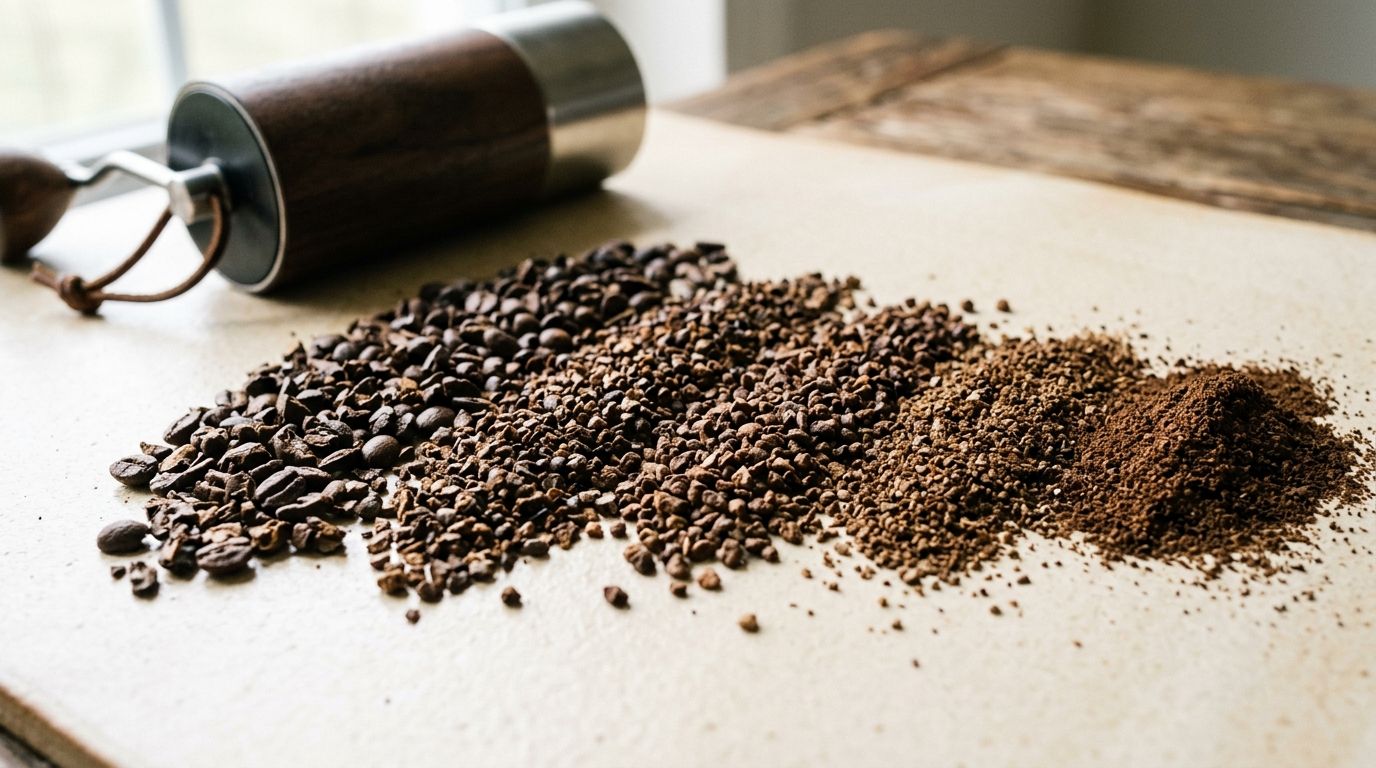
When hot water meets roasted coffee grounds, the resulting dark liquid appears monolithic. However, the extraction process is highly sequential. The compounds locked inside the coffee bean do not dissolve all at once; they are pulled into the water in a strict, predictable order based on their molecular weight and solubility.
The first compounds to dissolve are the highly soluble fruit acids (citric, malic) and organic salts. This is why the very first drops of an espresso are overwhelmingly bright, sour, and intensely concentrated. These light molecules require very little thermal or kinetic energy to be stripped from the cellulose matrix.
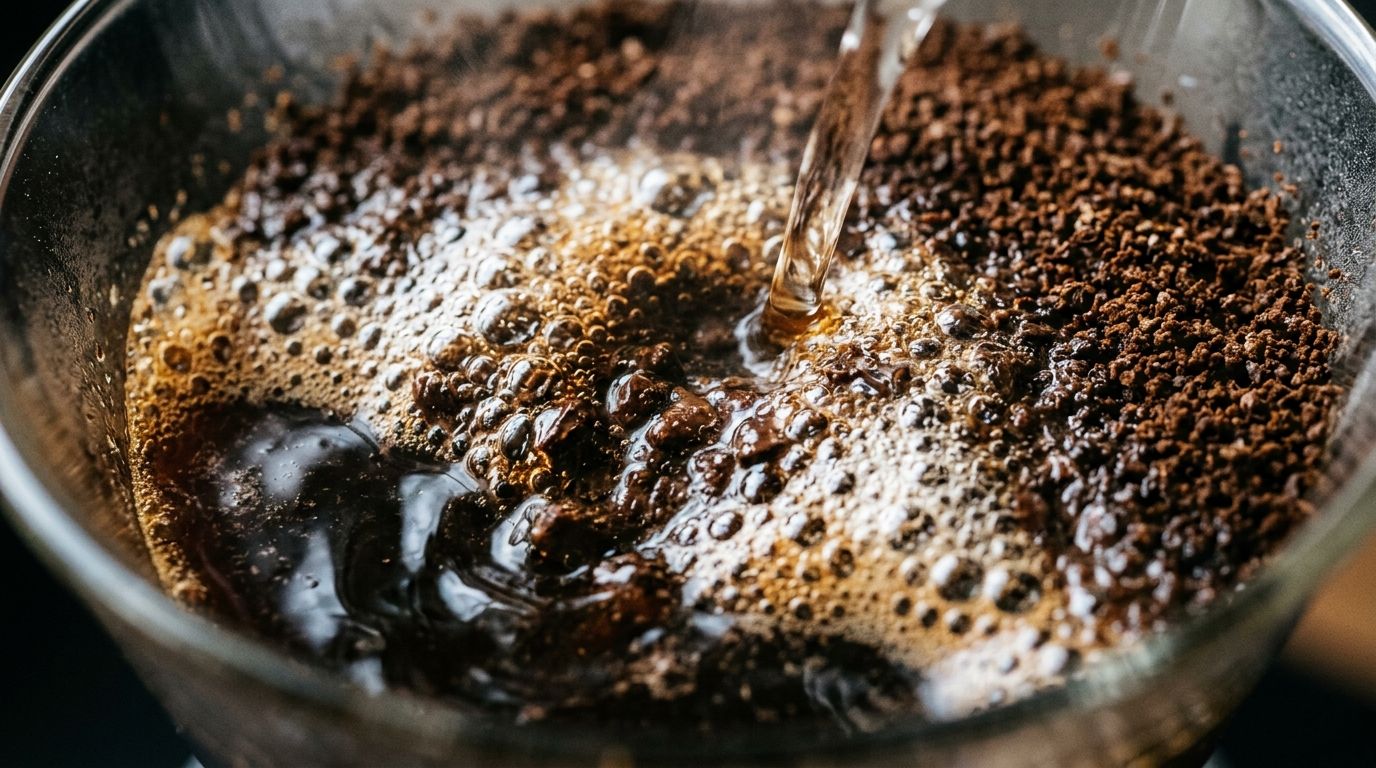
In the middle phase of extraction, the water begins to dissolve larger, more complex sugar compounds and Maillard reaction products. This phase is responsible for the sweetness, the caramel and chocolate notes, and the structural body of the coffee. It is the crucial balancing act of the brew.
If extraction continues too long, the water reaches the heaviest, most stubborn compounds: the dry plant fibers, tannins, and heavy polyphenols. These contribute the harsh, astringent, and dry bitterness associated with over-extracted coffee. The art of brewing is entirely about stopping the flow of water at the exact moment the sugars have balanced the acids, just before the bitter fibers are pulled into the cup.