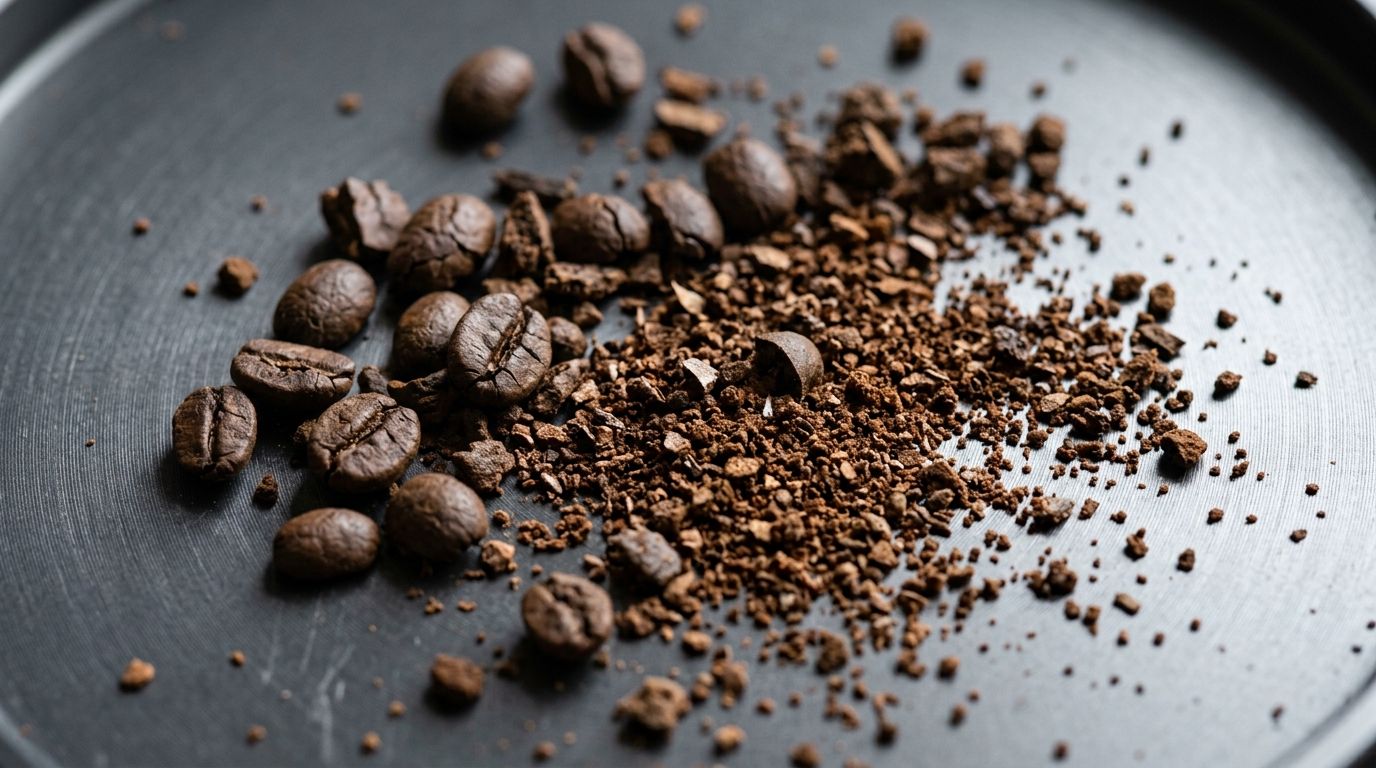








Before a coffee bean enters a roaster, it smells faintly of grass and holds little to no discernible flavor. The transformation of this dense, agricultural seed into a highly soluble vessel of complex aromatics is driven largely by one of the most important chemical processes in culinary science: the Maillard reaction.
Occurring generally between 140°C and 165°C during the roasting process, the Maillard reaction is a form of non-enzymatic browning. It happens when amino acids (the building blocks of proteins) react with reducing sugars under the stress of intense heat. This violent molecular restructuring breaks down simple compounds and synthesizes hundreds of entirely new, volatile aromatic molecules.
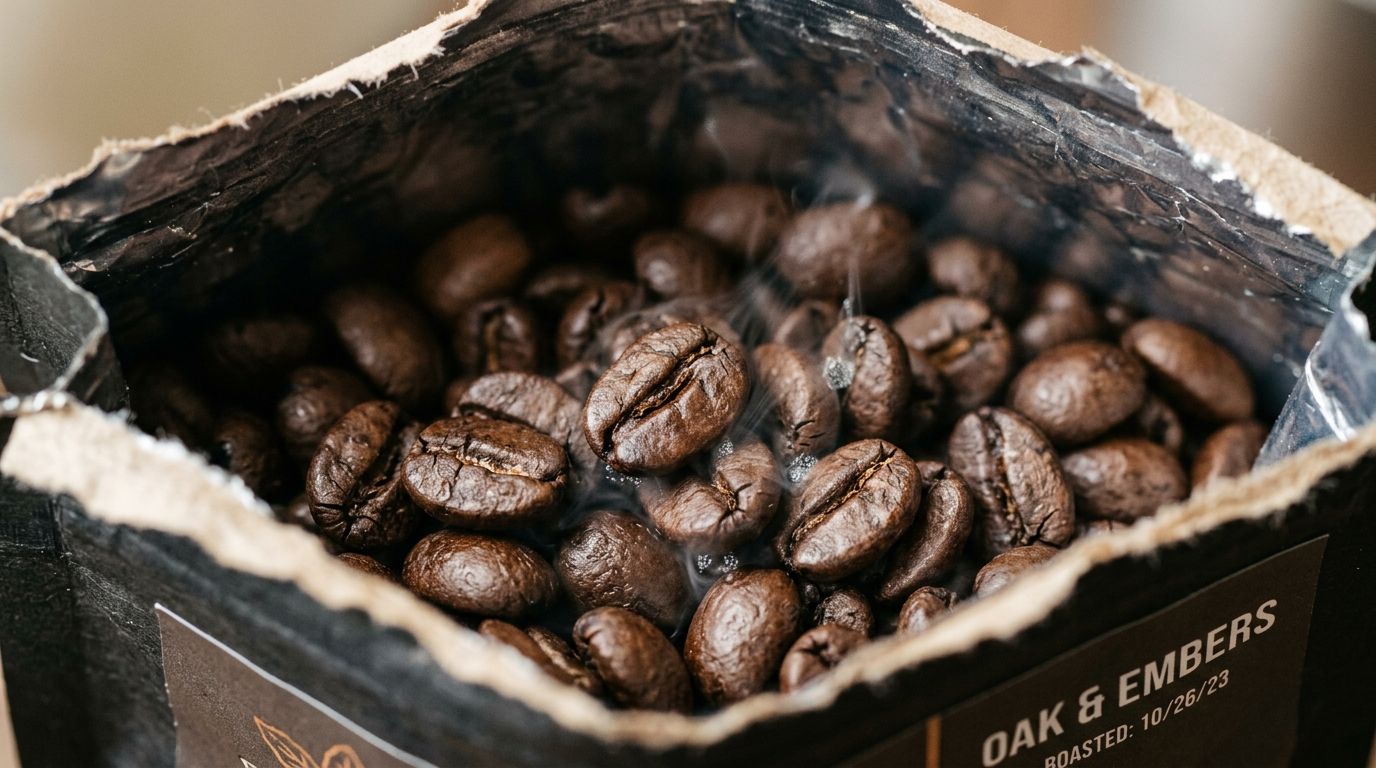
These newly forged compounds are responsible for the vast majority of what we perceive as “coffee flavor”—the roasted, nutty, malty, and caramelized notes that define the beverage. As the reaction accelerates, melanoidins are formed, giving the bean its signature brown color and contributing to the tactile weight, or “body,” of the final cup.
Mastering the roaster is, in essence, mastering the Maillard reaction. Extending this phase can build deep, rich sweetness and heavy body, but pushing it too far will destroy the delicate, volatile fruit acids that give specialty coffee its vibrant terroir. It is a delicate chemical tightrope walked daily by the world’s best roasters.